Indian Buffalo Meat — Scale, Structure and Market Positioning
Yours Magazine · 13 Apr 2026 · 4 min read
India consistently ranks among the world’s largest exporters of bovine meat, with exports focused primarily on buffalo meat. The country supplies large volumes to international markets through a standardised, export-oriented system.
While producers such as Brazil, the United States, and Argentina operate across a wide range of market segments, India’s exports are positioned in price-sensitive, high-volume markets. The product, processing model, and distribution structure are aligned with that segment.
This article examines how that system is structured, from product definition and processing to market alignment and global positioning.
Scale and Supply Base
In 2025, India exported around 1.6 million tonnes of bovine meat, placing it as the third-largest exporter globally, behind Brazil and Australia.
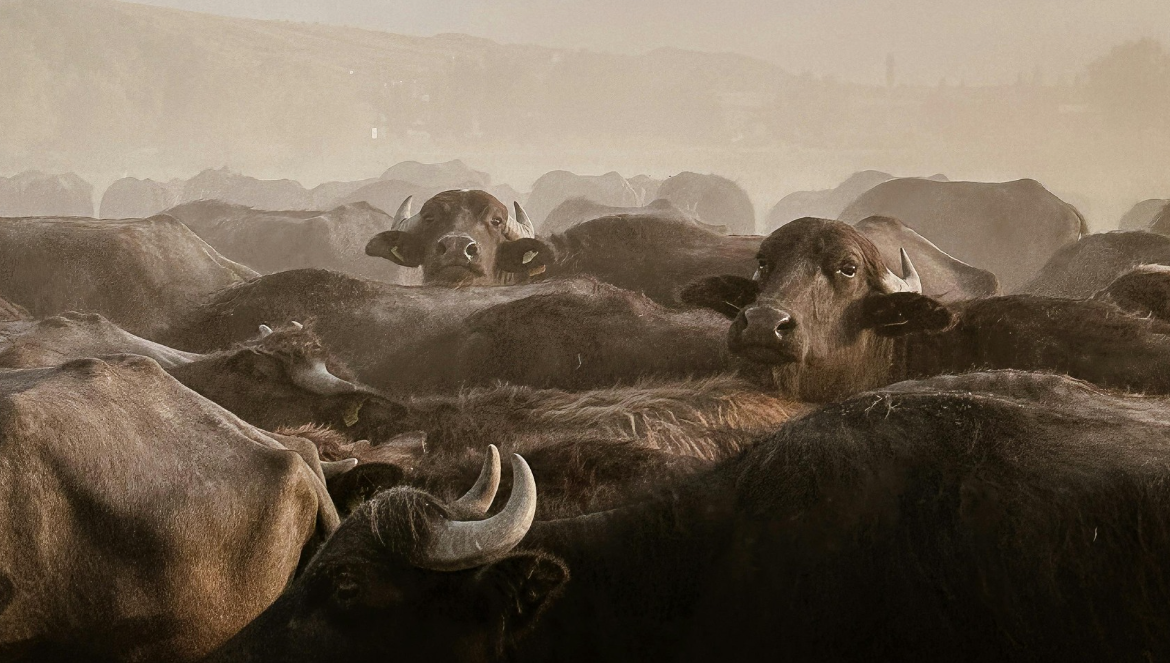
The product comes from water buffalo, not the cattle typically associated with beef production. In international trade, it is still classified within the broader bovine meat category and is commonly referred to as carabeef.
Most of this production is directly linked to India’s dairy industry. The country has one of the largest dairy sectors globally, with more than 50 percent of milk production coming from water buffalo. With a national buffalo population exceeding 110 million head, India accounts for more than half of the global buffalo population.
Dairy farming requires continuous breeding to maintain milk production. Each breeding cycle produces animals that do not contribute to milk output. Male animals do not produce milk, while some female animals are unable to calve or leave production over time as their productivity declines.
These animals are then sold by farmers and enter the meat supply chain, providing an outlet for animals that do not contribute to milk production.
After entering the meat-processing chain, these animals are handled in modern, export-oriented facilities. A small number of large processors handle a significant share of exports, including Allanasons Pvt Ltd, Al Kabeer Group, and HMA Agro Industries Ltd, supplying a specific segment of international markets.
Market Structure and Positioning
Global beef trade operates across clearly defined segments, from highly marbled premium products to large-scale frozen supply for price-sensitive markets.
At the upper end, producers such as Japan and South Korea supply highly marbled beef, including wagyu and hanwoo, where production is limited and pricing is driven by quality and branding.
A second tier is defined by exporters such as the United States and Australia, supplying grain-fed and often chilled beef into premium retail and food service markets. These products combine scale with higher consistency and are positioned in developed markets with established cold chains and higher purchasing power.
Below this, countries such as Brazil operate across a broader range. Brazilian exports include large volumes of frozen beef supplied into mid-tier and price-sensitive markets, while also maintaining access to higher-value segments.
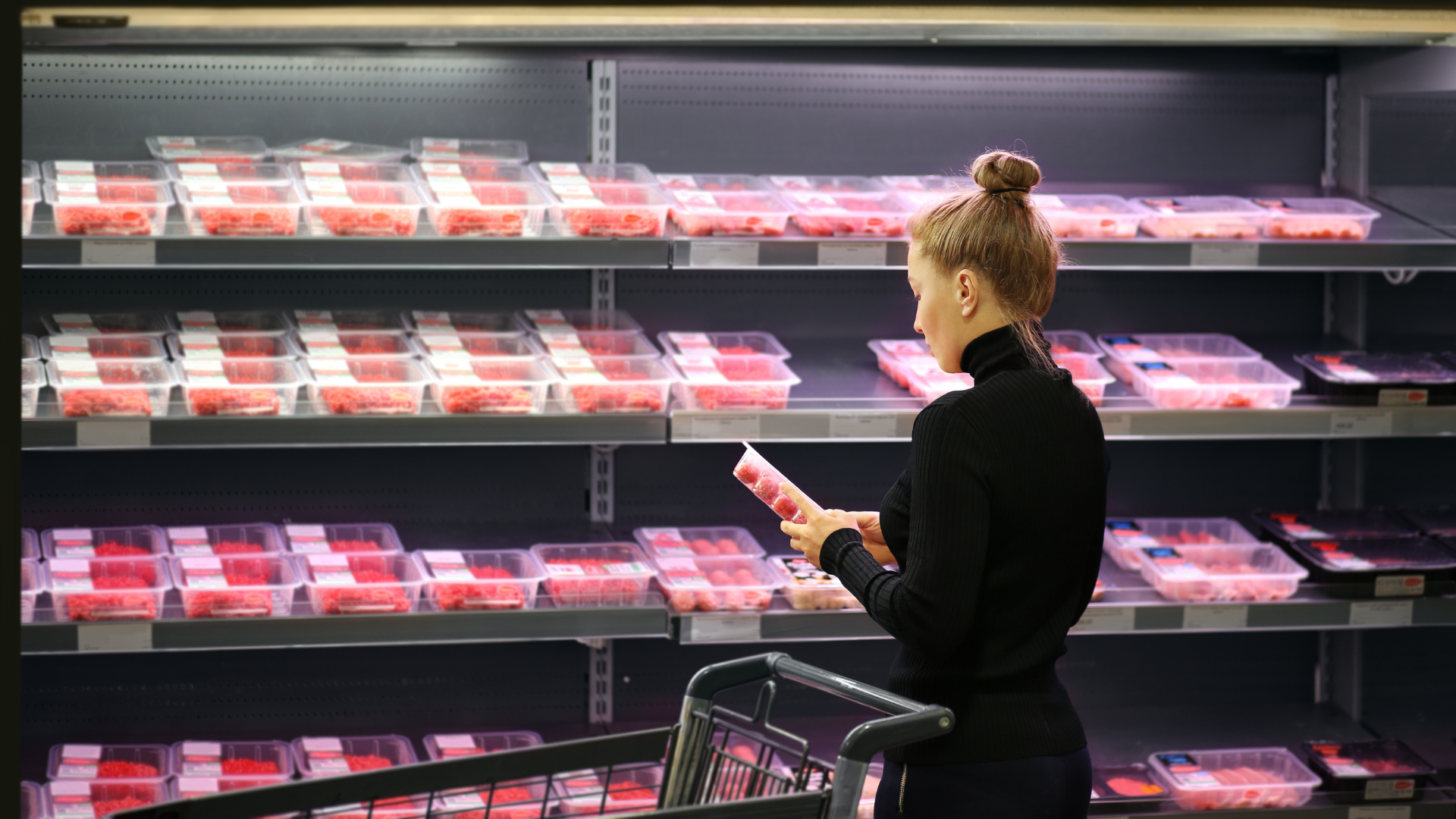
Within this structure, India occupies a distinct position. Its exports are based on buffalo meat and are directed into the lower-cost, high-volume segment of the market, with a focus on halal-certified production. The product is supplied primarily in frozen form and is priced to compete in markets where affordability and availability are the primary purchasing factors.
Large volumes are shipped into Southeast Asia, including Vietnam, Indonesia, and Malaysia, as well as into the Middle East, including Saudi Arabia, the United Arab Emirates, and Iraq. Egypt represents a key market in North Africa, alongside broader demand across African markets.
Across these markets, the product is used in processing, food service, and distribution, not as a premium item but as a reliable source of affordable protein across large populations and supply chains.
Religious compliance is a defining element of this trade. Halal certification is required across much of the Middle East and in several Asian and African markets, and is integrated into production as a standard condition for export.
Furthermore, the meat is less marbled and is widely used in markets such as Iraq, where imports have increased in recent years.
Future Outlook and Emerging Competition
India’s export position remains stable, with limited signs of structural expansion. Export volumes continue to move within a narrow range, with recent projections indicating only marginal growth.
Production growth is supported primarily by domestic demand rather than export expansion. A growing population and rising incomes sustain consumption, while the supply base remains tied to the steady flow of animals from the dairy system.
Within this segment, direct competition remains limited, particularly in buffalo meat. However, overlap exists with exporters supplying lower-cost beef into similar markets.
Paraguay is one of the more overlapping suppliers, although volumes remain substantially lower. The country exports competitively priced beef, often based on Angus cattle, and has expanded its presence in international markets through investment in processing capacity and export access.
This places Paraguay in a similar price range in some markets, but with a different product. While India supplies low-cost buffalo meat, Paraguay offers low-cost beef, which can be positioned as a higher-quality alternative at comparable price levels. In addition, Paraguay supplies halal-certified product, allowing access to the same markets in the Middle East and parts of Asia.
Pakistan exports buffalo meat in the same category as India, but at a much smaller scale and with a less developed export structure, limiting its current reach in international markets.
Overall, the competitive landscape remains defined by structural differences in product and supply systems. India’s position is anchored in volume and cost efficiency, while overlapping exporters operate with varying degrees of flexibility across product types and market segments.
Conclusion
India’s position in global meat trade is built on a specific structure. Its exports are based on buffalo meat, supplied at scale and priced for high-volume, price-sensitive demand.
The system is linked to the domestic dairy sector, which provides a consistent supply base, and is organised around standardised processing and export.
The product is integrated into supply chains across Southeast Asia, the Middle East, and parts of Africa, where it functions as an input rather than a premium product.
Competition remains segmented. While exporters such as Paraguay operate at similar price levels with conventional beef, India’s role is defined by its scale within the buffalo meat category.