
Geopolitics & Security
Throughout history, various leaders have organized power in different ways. This article examines four approaches to governance: Niccolò Machiavelli's analysis in The Prince and Discourses on Livy, Julius Caesar's concentration of authority, Frederick the Great's institutional reforms, and Hannibal Barca's command under civilian constraint. Niccolò Machiavelli — Power as Survival Niccolò Machiavelli was born in 1469 in Florence, a period of constant political turbulence. City-states across th
20 Dec 2025 · 6 min read
Geopolitics & Security
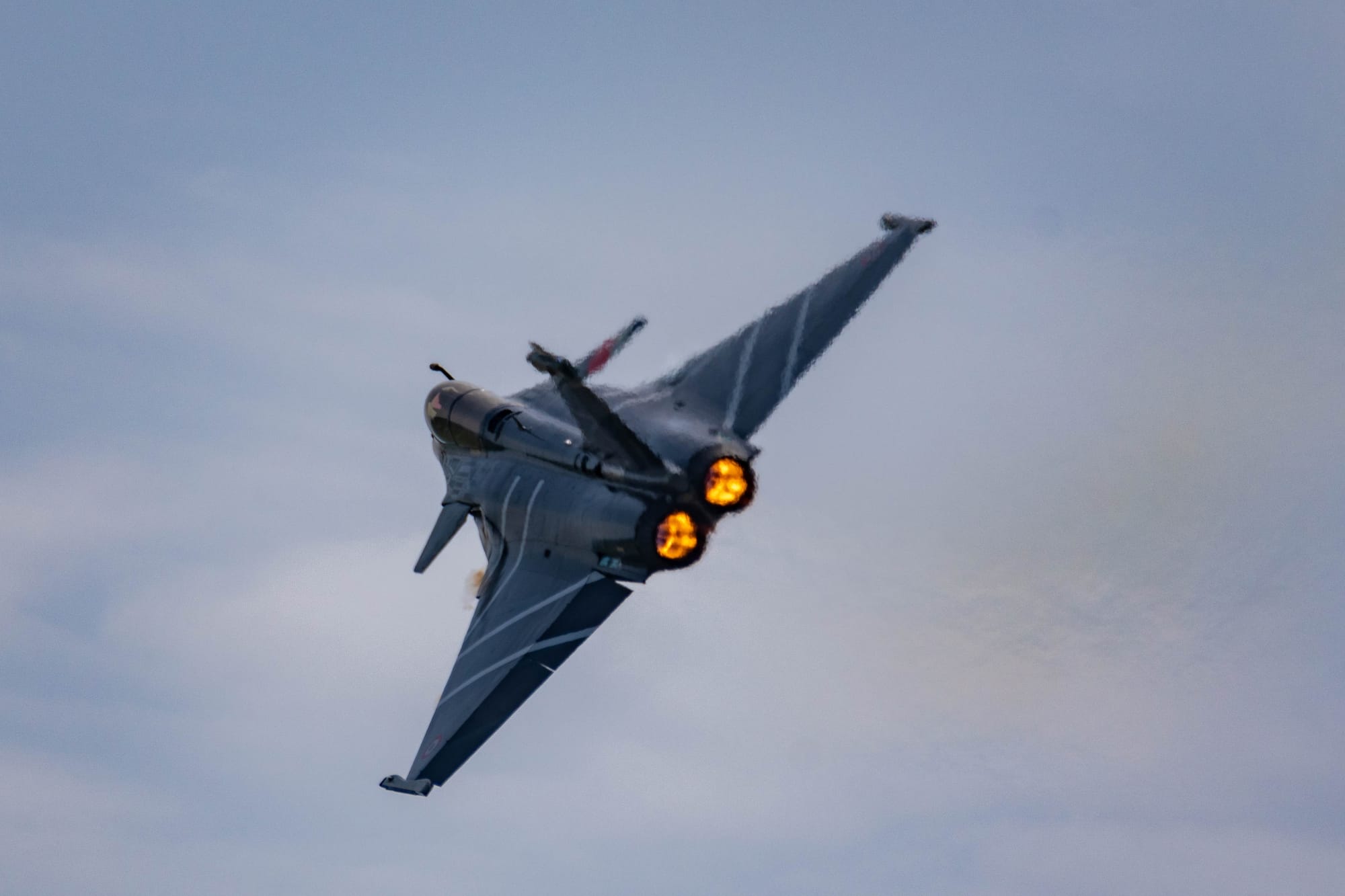
After the Second World War, France had to rebuild the institutions that supported national security. The occupation revealed that the country lacked the structures needed to anticipate risks, mobilise forces and protect national territory. The state faced shortages in intelligence, industry and logistics, and wanted to avoid a situation where national defence depended on outside support. When Charles de Gaulle reorganised the state after 1945, he set defence on a long-term path in which France
14 Dec 2025 · 11 min read
Geopolitics & Security
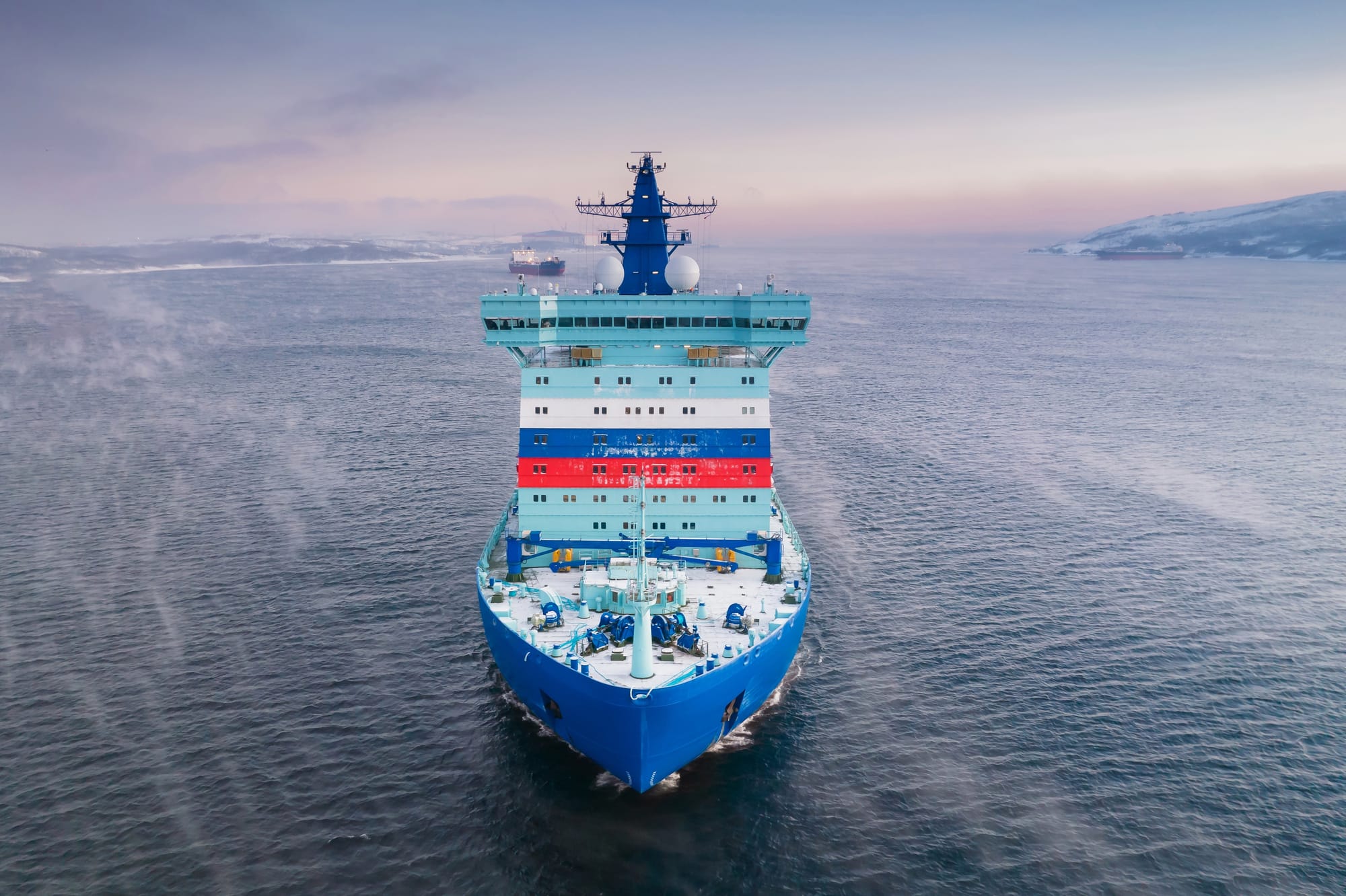
For decades, the Arctic was treated as a blank space on the map — a region defined by ice, scientific missions, and isolated settlements. Commercial activity was minimal, and for most governments and industries the High North played a marginal role. That position is changing. As sea ice retreats and technology improves, the Arctic has become a zone of trade, energy development, and long-term strategic planning. Governments are drafting Arctic policies, shipping firms are studying northern route
29 Nov 2025 · 8 min read
Geopolitics & Security
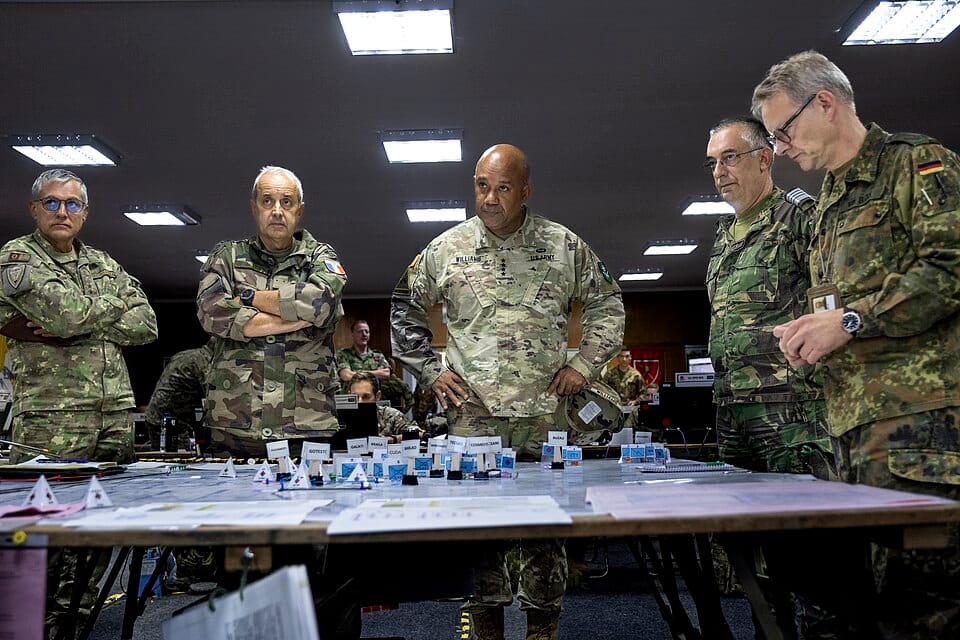
Mission Command, also known as Auftragstaktik in German, is a command philosophy used across NATO and most Western armies. It gives soldiers freedom to act once the goal is clear. Commanders set what must be achieved and trust those on the ground to decide how to accomplish it. This keeps operations moving when radios fail or conditions change more quickly than orders can be processed. The concept was developed in 19th-century Prussia through Carl von Clausewitz’s study of friction and Helmuth
27 Oct 2025 · 6 min read
Geopolitics & Security
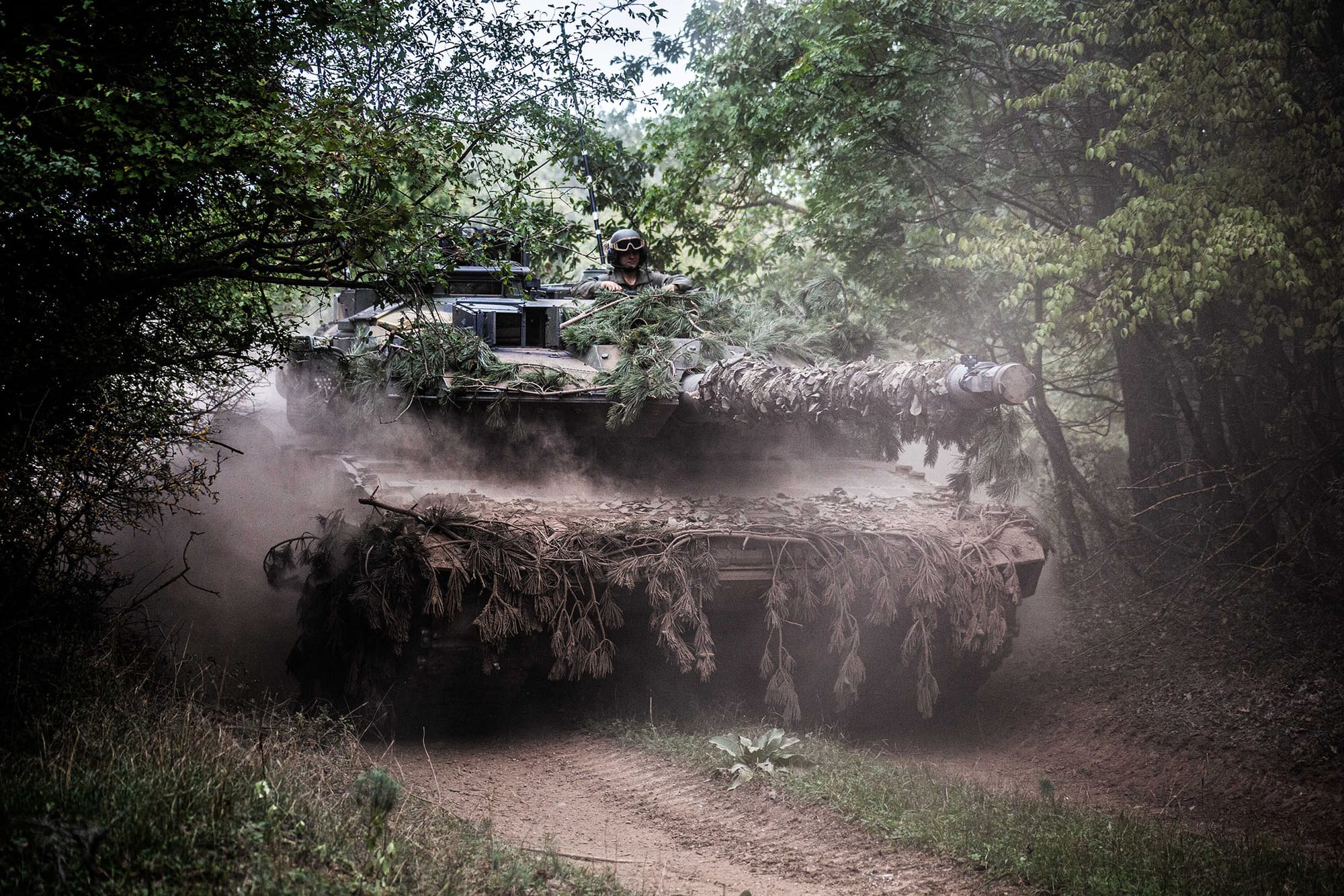
How NATO’s forward land forces are built, led, and deployed Definition NATO’s multinational battlegroups are combat-ready land formations composed of troops from several Allied nations, deployed on a persistent defensive basis across the eastern flank. They exist to deter aggression and, if required, to fight as the first line of defense. Each is led by a framework nation and joined by contributing Allies under NATO command. Their mission, as summarized, is to defend forward, integrate rapidl
17 Oct 2025 · 3 min read
Geopolitics & Security
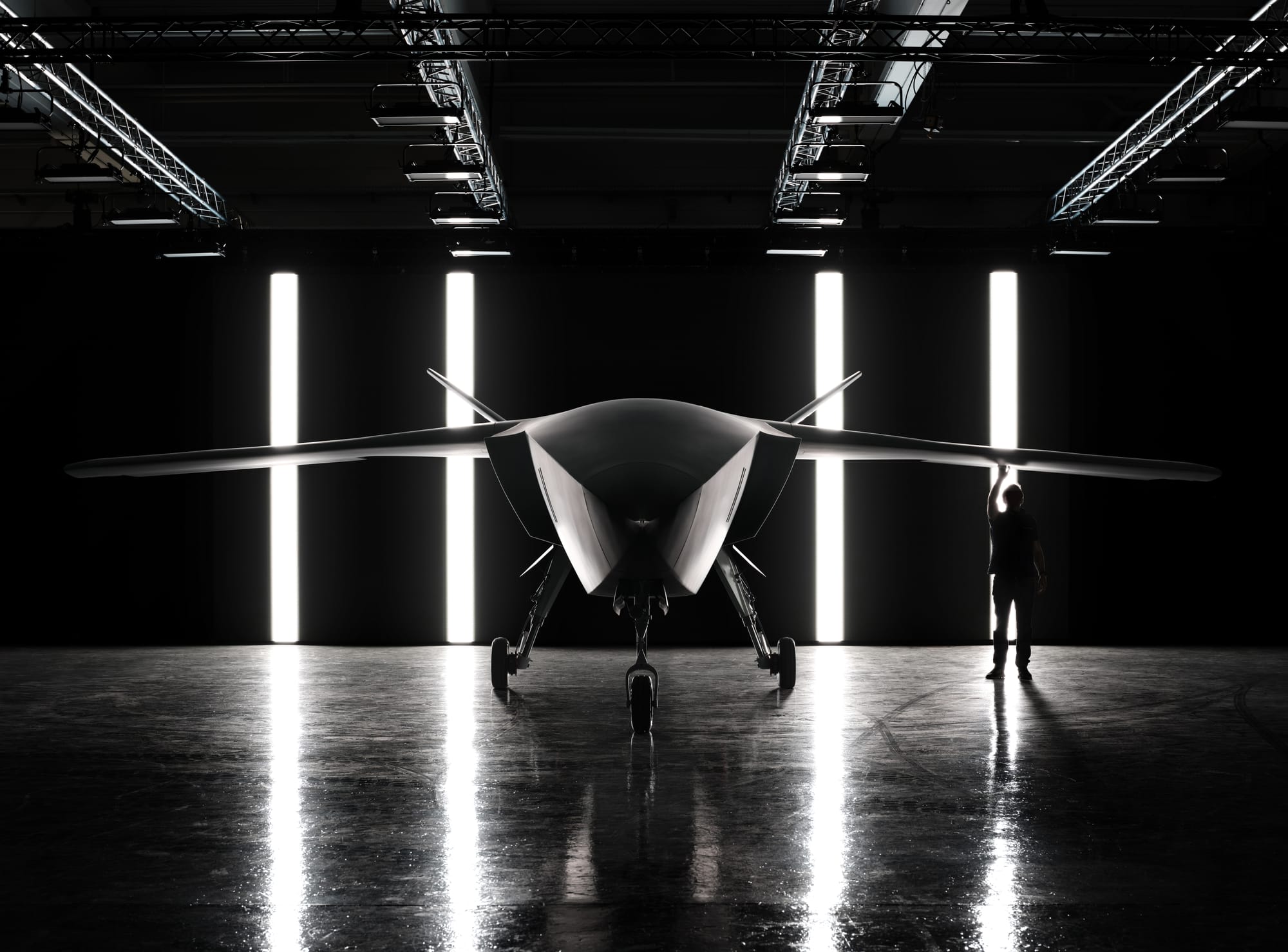
Helsing has unveiled the CA-1 Europa, a fully autonomous uncrewed combat aerial vehicle (UCAV) designed to establish Europe’s position in next-generation air defense. Developed at Helsing’s Grob Aircraft facility in Germany. An Autonomous Multi-Role Jet CA-1 Europa is a software-defined, mass-producible aircraft built for high subsonic speeds and multi-mission roles. Operating as a single asset or in a swarm, it integrates Helsing’s Centaur AI pilot, advanced situational awareness software, a
11 Oct 2025 · 2 min read

Geopolitics & Security
After years of debate, the European Union has finally agreed on a unified migration framework. In 2024, Brussels adopted the New Pact on Migration and Asylum, a comprehensive reform package that not only modernizes border management and asylum procedures but also strengthens solidarity among member states, demonstrating the EU's holistic approach to migration reform. The Pact introduces innovative measures such as faster screening, shared responsibility, and AI-driven border control, marking th
10 Oct 2025 · 4 min read
Geopolitics & Security
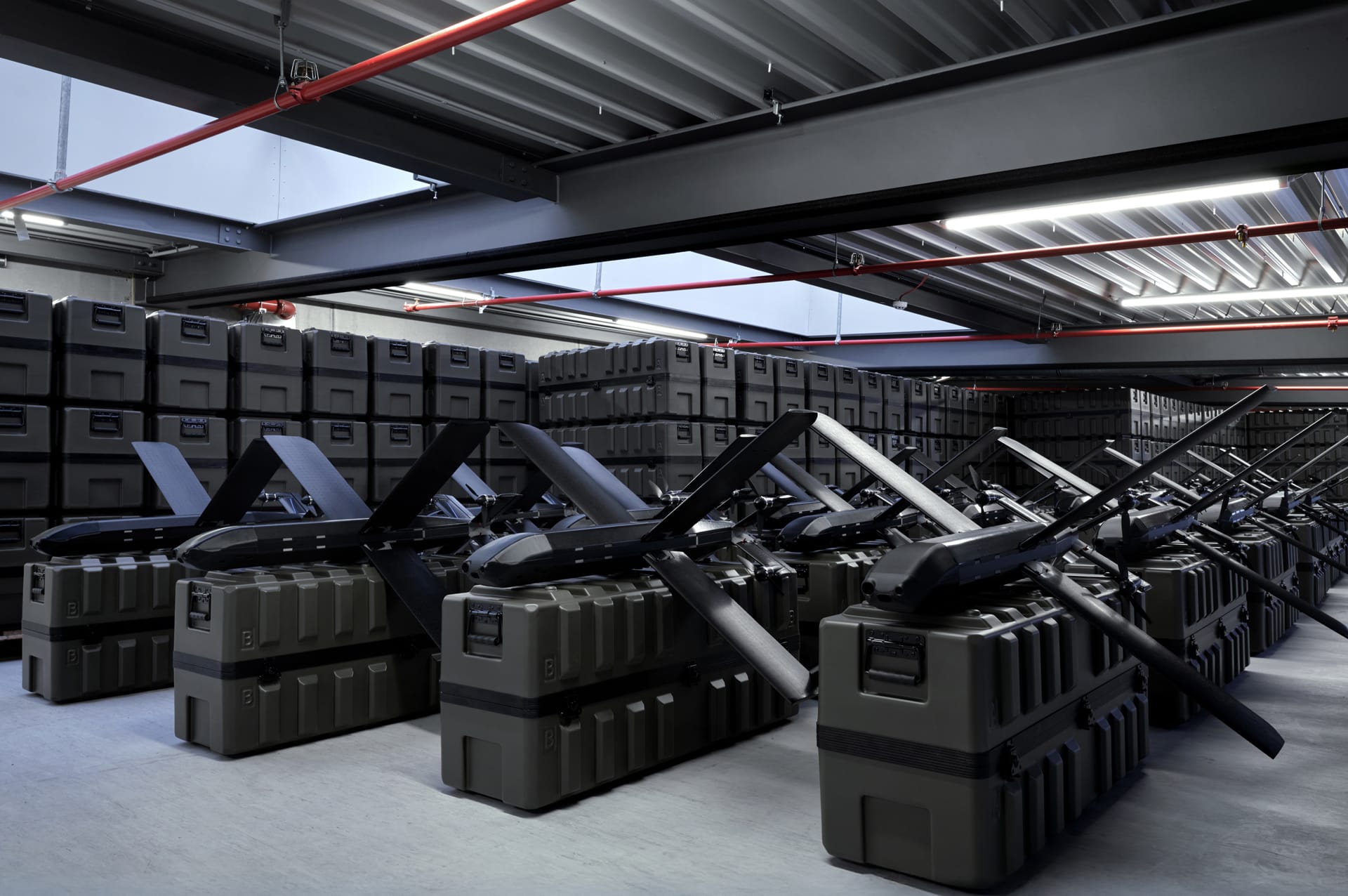
Europe’s next-generation modular system for scalable defense production in 2025 and beyond After Russia's invasion of Ukraine in 2022, European governments faced a manufacturing problem that had been building for decades. Military stockpiles designed for limited engagements were being consumed faster than traditional defense contractors could replace them. Artillery ammunition, precision missiles, and unmanned systems were needed in quantities that existing production lines could not deliver. T
10 Oct 2025 · 7 min read